Seamless Animal Skins Print Patterns: A Practical Evaluation for Designers and Creators
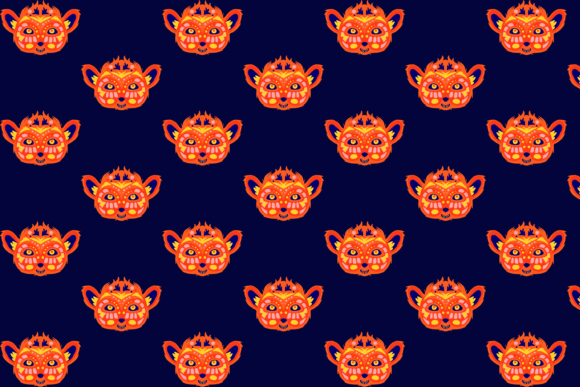
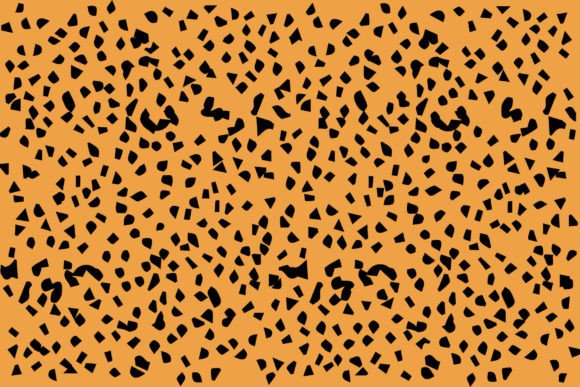
Seamless Animal Skins Print Patterns is a curated digital collection of repeatable, tileable textures inspired by wildlife—leopard spots, zebra stripes, tiger fur, giraffe patches, snake scales, cowhide, and abstract hand-drawn animal motifs. These patterns are designed to repeat infinitely without visible seams, making them suitable for surface design applications where continuity matters: fabric printing, wallpaper, packaging, digital backgrounds, and print-on-demand products.
The collection includes multiple file formats—Adobe Illustrator (.ai), Encapsulated PostScript (.eps), Scalable Vector Graphics (.svg), Portable Document Format (.pdf), and Joint Photographic Experts Group (.jpg)—ensuring compatibility across design software and output methods. Each pattern is optimized for scalability (vector files) or high-resolution raster use (JPEG), supporting both screen-based and physical production workflows.
Why Designers Consider Seamless Animal Skins Print Patterns
Designers and crafters often seek animal-inspired textures for projects with natural, bold, or safari-themed aesthetics. Leopard print pattern, tiger print background, and giraffe skin pattern offer immediate visual impact and cultural recognition. Unlike photographic textures, seamless versions eliminate tiling artifacts, saving time in layout preparation and reducing manual editing.
Users evaluating this collection typically fall into several categories: textile designers developing fabric lines; stationery creators producing greeting cards or invitations; interior designers sourcing wallpaper or digital backdrops; and educators or hobbyists building scrapbooking kits or printable learning materials. The appeal lies not only in motif variety but also in format flexibility and ready-to-use structure.
Key Benefits and Realistic Expectations
Consistency and efficiency: Because each pattern is truly seamless, users avoid labor-intensive alignment or blending tasks when tiling across large surfaces—critical for fabric printing or wall murals.
Cross-platform utility: Vector files (.ai, .eps, .svg) retain crispness at any scale, ideal for logos or embroidery digitizing. High-res JPEGs serve well for web use, social media templates, or desktop backgrounds where vector support isn’t required.
Thematic cohesion: The set intentionally groups related wildlife textures—zebra and tiger stripes share rhythmic contrast; leopard and giraffe patterns emphasize organic irregularity—supporting unified design systems without needing to source disparate assets.
However, expectations should remain grounded. These are design patterns, not photorealistic simulations. They stylize rather than replicate biological accuracy—leopard spots are evenly distributed for repetition, not mimicking natural clustering. Similarly, “leopard leather” or “snake seamless patterns” refer to interpretive graphic interpretations, not material substitutes. Users requiring scientific fidelity or hyperrealism will need supplemental photography or 3D texture libraries.
Tradeoffs and Practical Considerations
While the collection covers broad wildlife motifs, it does not include editable color palettes within individual files—users must adjust hues manually in their preferred software. Some JPEG variants may lack embedded color profiles, requiring calibration checks before professional printing. Also, because the set emphasizes repeat functionality over isolated motifs, standalone clip art elements (e.g., single leopard silhouettes) are not included unless explicitly part of a pattern tile.
Licensing terms vary by vendor, so users should verify permitted uses—especially for commercial fabric printing or resale products. Not all licenses allow unlimited distribution or derivative works without attribution or additional fees.
File size and complexity also matter. Vector files with many anchor points may slow older versions of Illustrator during rendering. For rapid prototyping or lightweight web use, simplified SVGs or compressed JPEGs are more practical than full-layered AI files.
When This Collection Is a Strong Fit
Seamless Animal Skins Print Patterns suits users who prioritize immediate usability over custom creation. If your goal is to produce a batch of safari-themed greeting cards, line a notebook with giraffe skin pattern, or develop a limited-run textile collection using tiger skin stripes and zebra texture, this set reduces research, scanning, and vectorization steps.
It’s especially valuable when working under tight deadlines, managing multiple clients, or maintaining brand consistency across product lines—such as a boutique launching coordinated apparel, stationery, and home goods using the same leopard spots seamless pattern texture background.
Educators building printable classroom resources—or hobbyists creating digital paper for Cricut or Silhouette cutting machines—also benefit from the standardized sizing and clean edges common across the set.
When Alternatives May Be Worth Exploring
If your project demands highly specific biological detail—like accurate subspecies variations in tiger stripe width or regional giraffe coat patterns—photographic texture libraries or licensed nature photography may be more appropriate. Similarly, if you require dynamic, parametric pattern generation (e.g., adjusting spot density interactively), generative tools or plugins offer greater control than static files.
For users focused solely on watercolor aesthetics, dedicated watercolor animal print pattern collections—often with grain, bleed, and pigment variation—provide richer tactile qualities than vector-based interpretations. Likewise, hand-lettered or illustrated animal motifs (not just skins) may better suit branding that emphasizes personality over pattern.
Finally, if budget constraints are primary and usage is strictly personal or non-commercial, free-licensed seamless patterns exist—but often with narrower motif ranges, inconsistent file formats, or less rigorous seam testing. Quality verification becomes the user’s responsibility.
Making an Informed Decision
Before acquiring Seamless Animal Skins Print Patterns, clarify three things: your intended output (print, web, cut file), required scale (small-label repeat vs. mural-sized tile), and level of stylistic customization needed. Preview available thumbnails for edge alignment and motif density. Check whether sample files are offered—many vendors provide low-res previews or single-pattern demos.
Compare format support against your workflow: if you rely exclusively on Canva or Figma, SVG and JPEG files will be most accessible; if you prepare files for screen printing or embroidery, layered AI or EPS files become essential.
Lastly, consider long-term needs. A one-time project may justify a smaller, motif-specific pack (e.g., leopard print pattern only). Broader creative exploration—across fabric, paper, and digital media—makes the full set more cost-effective per asset.
Seamless Animal Skins Print Patterns offers practical value when matched to realistic use cases. Its strength lies in reliability, range, and readiness—not novelty or exclusivity. For creators balancing efficiency with expressive wildlife themes, it remains a versatile, functional resource worth evaluating alongside other texture solutions.