Seamless Hex Patterns in Different Color
Hexagons are everywhere — in honeycombs, molecular structures, tile floors, and modern UI designs. Their natural symmetry and efficient tiling make them ideal for patterns that need to repeat without visible seams. Seamless hex patterns in different color take that geometry and turn it into a practical, versatile design resource — not just visually pleasing, but functionally reliable across countless real-world uses.
If you’ve ever tried to tile a background in Photoshop only to see awkward gaps or misaligned edges, you know the frustration. These patterns solve that instantly. Each one is carefully constructed so the top edge matches the bottom, and the left aligns perfectly with the right — no manual editing needed. That’s what “seamless” really means: effortless repetition, pixel-perfect consistency, and zero guesswork.
Why Designers and Small Business Owners Reach for These Patterns
Take Maya, who runs a handmade soap shop. She needed packaging labels that felt artisanal but polished — not generic stock graphics. She downloaded the seamless hex patterns in different color set, picked a soft sage-and-cream hex layout, and applied it as a subtle background behind her logo on sticker sheets. The result? A cohesive, tactile look that stood out on crowded Etsy listings and local farmers’ market shelves.
Or consider James, a freelance educator creating printable worksheets for middle school science. He used a light blue hex grid (from the PNG files) as a subtle base layer behind diagrams of cell structures. The pattern added visual rhythm without competing with content — and because it’s 200×200 pixels and truly seamless, it scaled cleanly across A4 and letter-sized PDFs without distortion or tiling artifacts.
What’s Inside the Collection — And Why Format Matters
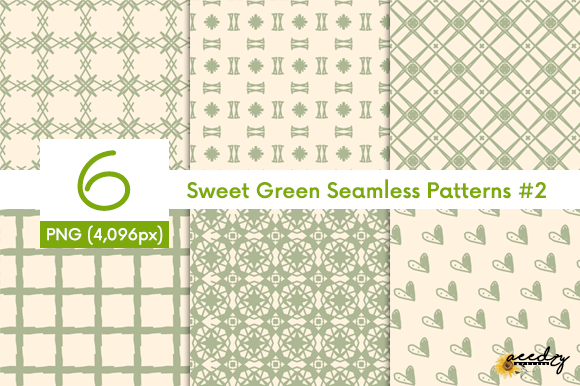
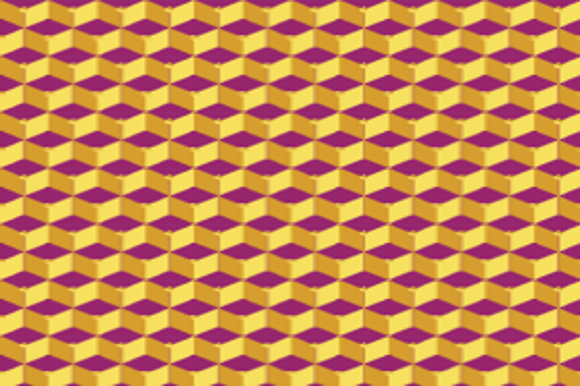
This isn’t just one pattern repeated six times. It’s six distinct seamless hex patterns in different color schemes — each thoughtfully balanced for contrast, readability, and mood. You get:
- 6 PNG files (200×200 px) — Ideal for web use: blog headers, social media banners, email newsletter backgrounds, or lightweight UI overlays. Crisp, transparent-friendly, and universally supported.
- 6 JPG files (200×200 px) — Great for quick uploads where transparency isn’t needed — think PowerPoint slide decks, printed handouts, or digital signage templates. Smaller file sizes mean faster loading and easier sharing.
- 6 EPS files — Scalable vector versions for professional print jobs: business cards, fabric swatches, large-format posters, or branded merchandise. Resize to billboard size or embroider onto tote bags — no pixelation, no quality loss.
The 200×200 pixel dimension isn’t arbitrary. It’s compact enough to load fast, yet large enough to retain clarity when tiled at standard screen resolutions or printed at 300 DPI up to ~2×2 inches. And because every file is pre-tested for true seamlessness, you skip the trial-and-error phase most designers face when building repeating patterns from scratch.
Real Situations Where These Patterns Make a Difference
For bloggers and content creators: A muted terracotta hex pattern adds warmth to an Instagram Story highlight cover — subtle enough to keep focus on your text overlay, but distinctive enough to reinforce brand identity over time.
For educators and trainers: Use a low-saturation gray hex grid as a non-distracting background for editable Canva templates — students can type directly over it, and the structure helps guide eye movement across slides or worksheets.
For small retail owners: Print the navy-and-gold hex design onto kraft paper gift wrap. Because the EPS version scales infinitely, it prints crisply whether you’re wrapping a candle box or a full-size gift bag — no blurry repeats or awkward cutoffs at the edges.
For marketers running seasonal campaigns: Swap out the background pattern in your email template each quarter — olive green for fall, icy blue for winter, coral for spring. Consistent structure, fresh color storytelling. Subtle, but effective brand rhythm.
Things to Keep in Mind Before You Apply One
Not all hex patterns work equally well in every context — and that’s okay. Here’s what helps you choose wisely:
- Contrast matters more than complexity. If you’re layering text over the pattern, test readability at actual size. A busy dark-on-dark combo may look sleek in thumbnail view but fail on mobile screens.
- Consider your output medium. Need to embroider? Go with the EPS. Building a Figma prototype? PNG works fastest. Sending a client a quick mockup via WhatsApp? JPG avoids compression surprises.
- Think about scale and density. A tightly packed small-hex pattern reads as texture; a larger, spaced-out version feels more graphic and bold. Both are included — match the vibe to your project’s tone.
- Remember licensing. These are cleared for commercial use — meaning you can sell products featuring them, use them in client work, or include them in paid courses. No attribution required, no hidden limits.
How This Fits Into Your Everyday Workflow
You don’t need design software mastery to benefit. Open any of the PNGs in Canva, drag it onto a blank canvas, and hit “Tile Background.” Done. Or import the EPS into Illustrator, recolor it with your brand palette in two clicks, and export for print-ready use. Even non-designers — teachers setting up Google Slides, admins updating internal wikis, hobbyists customizing Cricut projects — find these patterns reduce friction, not add it.
They’re not flashy. They won’t go viral. But they quietly improve consistency, save time, and elevate polish — especially when you’re juggling ten other priorities. That’s the kind of tool that earns repeat use, not one-time downloads.
Keep Visiting and Sharing My Designs
New patterns drop regularly — sometimes seasonal, sometimes utility-driven (think: dotted grids, minimalist waves, or crosshatch variants). If you found value in these seamless hex patterns in different color, bookmark this page. Share the link with your design-savvy friend, your small business group chat, or your teaching team. Real tools spread through real recommendations — not algorithms.
And if you’re using one of these patterns in a project you love — a rebranded website, a classroom poster, a batch of custom stickers — tag or mention the source. It helps others discover practical, no-fuss resources like this. Because great design shouldn’t be locked behind expertise, subscriptions, or steep learning curves. It should just… work.