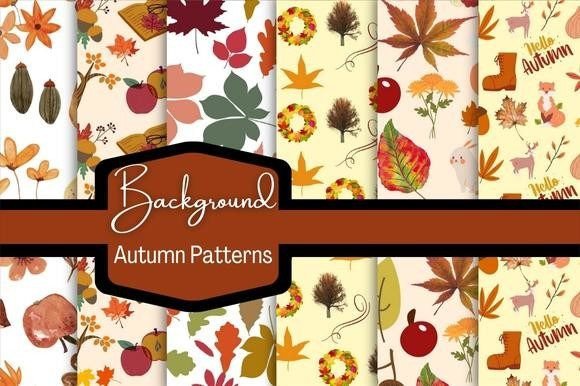
Fall Digital Paper Patterns
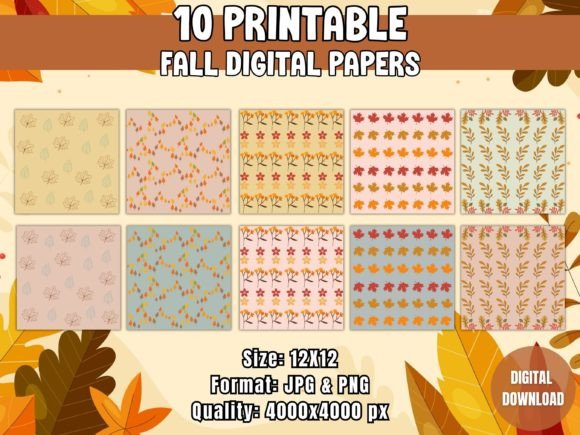
Imagine opening a digital folder and finding ten rich, cohesive Fall digital paper patterns—each one ready to use in seconds. No shipping delays, no physical storage, no color-matching guesswork. Just high-resolution JPG and PNG files, thoughtfully designed with autumn’s warmth: deep rusts, muted ochres, soft moss greens, and creamy neutrals—some with subtle textures, others with clean modern repeats, all optimized for real-world creative work.
What Fall Digital Paper Patterns Actually Are
Fall Digital Paper Patterns are downloadable, print-ready background designs intended for digital and hybrid projects. They’re not templates or layouts—they’re the foundational “paper” layer: seamless repeats ideal for layering, cropping, printing, or embedding. Each file is delivered as both JPG (for fast previews and web use) and PNG (with transparent backgrounds where applicable), giving flexibility without extra conversion steps.
These aren’t generic stock graphics. They’re curated for seasonal intention—think maple leaf motifs that don’t shout, watercolor washes that feel handmade, and linen-textured neutrals that ground bolder design choices. And because they’re digital, you control scale, contrast, and placement—no cropping compromises or resolution loss when resizing for different outputs.
For Educators & Homeschoolers
You’re planning a fall-themed unit on seasons, harvest traditions, or local ecology—and need printable handouts, classroom banners, or student activity sheets that look intentional, not clip-art generic. Fall Digital Paper Patterns let you build custom worksheets, flashcards, or bulletin board backdrops in minutes. A teacher in Vermont uses one of the kraft-textured papers as a background for a “Thankful Tree” printable; another overlays a subtle acorn repeat on reading logs to reinforce thematic continuity across subjects.
For Small Business Owners & Makers
If you sell handmade candles, soy wax melts, or artisanal soaps, packaging and branding consistency matters—even seasonally. These papers help you create cohesive labels, thank-you cards, or social media story backgrounds without hiring a designer each time. One ceramicist in Oregon uses the warm terracotta pattern as a backdrop for product photography; another prints it onto kraft cardstock for limited-edition holiday gift tags. The PNG transparency option means she can drop logos cleanly over any pattern—no white boxes, no awkward edges.
For Scrapbookers & Memory Keepers
You value tactile process but also appreciate digital efficiency. These papers bridge both worlds: print them on premium cardstock for physical albums, or layer them digitally in apps like Photoshop or Canva for hybrid layouts. A retired nurse in Minnesota uses the soft watercolor paper to back scanned childhood photos from her family’s October trips to apple orchards—its gentle texture adds warmth without competing with faces or expressions.
For Freelance Designers & Bloggers
You juggle client deadlines and personal content creation—speed and versatility are non-negotiable. Having ten cohesive, license-permitted Fall digital paper patterns means you can rapidly mock up invitation suites, Pinterest pins, or email newsletter headers without licensing headaches. One blogger designing a free “Fall Recipe Bundle” used three of the papers as section dividers—each subtly reinforcing the theme while keeping visual rhythm across pages.
For Hobbyists & Beginners
You’re just starting with Canva or learning basic photo editing. You want beautiful results—not technical hurdles. These papers require zero design experience: drag, drop, resize. No tile alignment worries (they’re seamless), no color profile confusion (RGB-optimized for screens and standard printers). A college student in Ohio used one of the minimalist beige patterns to design her first set of DIY birthday invites—she printed them at home, cut them by hand, and felt proud of how polished they looked.
What Different Priorities Reveal About Fit
Not every digital paper collection serves every goal—and that’s okay. Here’s how practical priorities help clarify whether this set aligns with your needs:
- Ease of use: If you avoid layers, blending modes, or color correction, these papers are built for simplicity—no clipping masks needed, no transparency troubleshooting.
- Quality: Each file is 300 DPI, tested across common printers and screen sizes. No pixelation when zoomed or printed at 8.5×11″ or larger.
- Flexibility: JPGs load quickly in email clients and basic editors; PNGs give you clean overlays in advanced tools. Both formats mean fewer workflow bottlenecks.
- Commercial value: Licenses allow unlimited personal and commercial use—including physical products you sell—but exclude reselling the files themselves. That covers Etsy shop banners, printed planners, or small-run greeting cards.
- Creativity support: Rather than dictating style, these patterns invite interpretation. One user combined the charcoal-gray herringbone with gold foil accents in a wedding invitation suite; another reversed the color values to create a wintry, frost-kissed version.
Real Projects, Not Just Possibilities
Here’s what people actually made—no hypotheticals:
- A freelance calligrapher created a series of printable “Gratitude Jar” cards—using the linen-textured paper as base, then adding handwritten prompts in Procreate.
- A church volunteer designed a fall Bible study flyer using the muted sage pattern behind scripture quotes—printed 50 copies on recycled paper for Sunday distribution.
- An indie publisher formatted an autumn-themed poetry chapbook interior, setting body text over a faint, low-contrast leaf pattern for quiet visual resonance.
- A parent crafted a “Countdown to Halloween” board for their kindergartener—printing each day’s square on different papers, laminating, and attaching magnets.
If your projects live at the intersection of seasonality and substance—if you care about tone, texture, and thoughtful repetition—then Fall Digital Paper Patterns aren’t just decorative. They’re a quiet tool for cohesion: helping educators anchor learning, makers elevate packaging, designers streamline iteration, and hobbyists feel capable without compromise.
They won’t replace your core skills—but they do remove friction between idea and execution. And sometimes, that’s the difference between a project you start and one you finish.